Sweat Is Not Skill: An Honest Accounting of Cardio Kickboxing
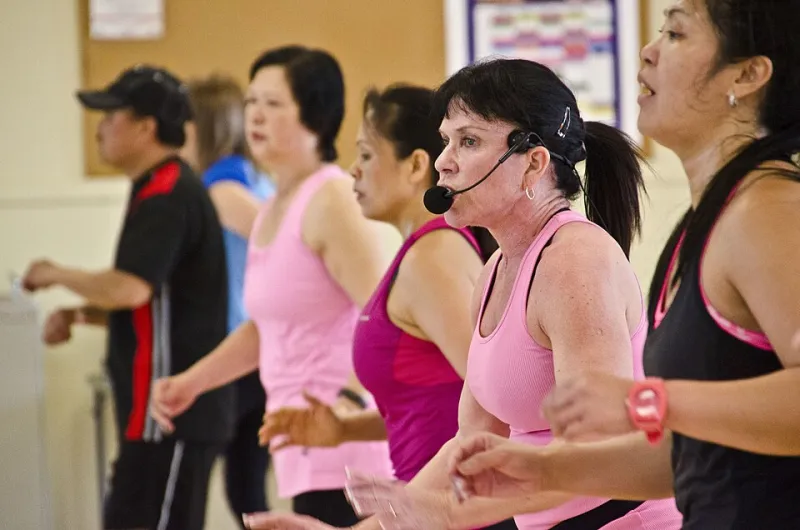
Photo: Sgt. Jasmine Higgins, Public domain, via Wikimedia Commons
Cardio kickboxing fills studios from Los Angeles gyms to boutique fitness chains in suburban Chicago, and its popularity is easy to understand. It burns six hundred calories an hour, it's exhilarating, and it carries the emotional appeal of learning to fight without any of fighting's actual inconvenience. That last part deserves scrutiny.
Many students sign up with a quiet secondary motive: they want to feel safer. The marketing often encourages this, using words like "power," "defense," and "street-ready" on promotional materials. The result is a dangerous ambiguity — people paying for fitness while believing they're buying protection. Before anyone relies on that belief, an honest accounting is in order.
What These Classes Genuinely Deliver
To be clear, this is not a dismissal. Cardio kickboxing provides real, transferable assets.
Conditioning. Fighting is one of the most aerobically brutal activities a human body can perform. A trained cardiovascular system and a strong core are foundational to surviving any physical confrontation. A fit person who knows nothing about fighting has a meaningful advantage over an unfit person who also knows nothing.
Comfort with striking. Throwing hundreds of punches and kicks per class builds gross motor patterns. The hip rotation behind a roundhouse kick and the extension mechanics of a jab become familiar. That familiarity reduces the hesitation most untrained people feel when violence becomes physical.
Confidence and stress exposure. High-intensity interval work elevates heart rate and induces fatigue, giving students a taste of performing while exhausted. Some of the psychological benefit of training — the posture, the demeanor, the sense of capability — is absolutely present in a good fitness class.
These are not small things. But they are not the whole picture, and pretending otherwise puts students at risk.
What the Class Cannot Teach
A resisting opponent. The single defining feature of real violence is that it is reciprocal. A heavy bag does not move, counter, grab, or hit back. No amount of air striking or bag work teaches distance management against a person who is actively trying to close on you. That skill only develops through partner drills with resistance — sparring, positional work, or scenario training.
Realistic targets and consequences. Fitness programming removes everything dangerous from the striking repertoire: no elbows to the jaw, no knees to the thigh, no strikes aimed at eyes or throat. Understandably so — it's a class, not a cage fight. But the self-defense value of striking lies largely in targeting, and that knowledge is simply absent from the curriculum.
The grab, the clinch, the ground. Real altercations overwhelmingly involve grabbing, shoving, and closing distance before any clean striking occurs. Cardio kickboxing classes are built around maintaining striking range in open space. When an attacker initiates contact — which is the norm, not the exception — the fitness student has trained nothing for that moment.
Adrenaline management. Jumping jacks elevate your heart rate; a threat elevates your entire nervous system. Tunnel vision, auditory exclusion, and motor skill degradation under acute stress require specific scenario-based training to overcome. A fitness class, whatever its intensity, does not replicate the psychological conditions of genuine danger.
Closing the Gap
If you love your kickboxing class, keep it. But treat it as one pillar of preparation rather than the whole structure. A reasonable supplement plan looks like this:
- One partner-based class per week in a system with live resistance — Brazilian jiu-jitsu, boxing, or a dedicated self-defense program with scenario work.
- Verbal boundary training, since most confrontations are resolved — or escalated — before the first physical contact.
- A basic understanding of your state's self-defense laws, because what you're legally permitted to do varies considerably across the United States.
- Awareness habits, which prevent the majority of confrontations from ever becoming physical.
The Verdict
Cardio kickboxing is excellent fitness and a reasonable on-ramp to combat sports. It becomes a problem only when students — or the studios serving them — allow the aesthetic of fighting to substitute for its substance. Sweat is not skill, and a heavy bag has never defended itself. Train for the workout you want, but if your goal is safety, be honest about what remains to be learned.