After the Dust Settles: How the 72 Hours Following a Self-Defense Incident Can Define Your Legal Future
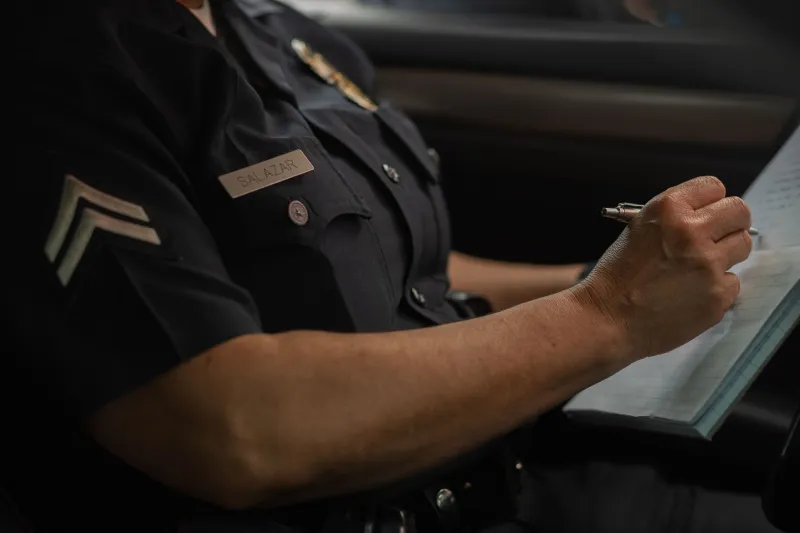
The self-defense community invests enormous energy in preparing for the moment of confrontation—drilling techniques, stress-inoculating through scenario training, and studying threat recognition. That preparation is essential. But there exists a second confrontation that receives far less attention: the one that unfolds in conference rooms, courtrooms, and police precincts in the days immediately following a physical incident.
The 72-hour window after a self-defense event is not a cooldown period. It is an active, high-stakes phase during which evidence is preserved or lost, narratives are formed or distorted, and legal outcomes are shaped by decisions that most practitioners have never rehearsed. Understanding this phase with the same seriousness applied to physical training is not paranoia—it is preparation.
Why the First Hours Are Legally Irreversible
Law enforcement and legal professionals frequently note that the statements, conditions, and documentation captured in the immediate aftermath of an incident carry disproportionate weight in any subsequent proceeding. Physical evidence degrades. Witnesses' memories shift within 24 to 48 hours, influenced by conversation, media exposure, and natural cognitive reconstruction. Surveillance footage is routinely overwritten on 48- to 72-hour cycles.
This is not a theoretical concern. In both criminal and civil proceedings involving self-defense claims across the United States, courts have consistently scrutinized what a defendant did and said immediately after an incident as indicators of state of mind, credibility, and the proportionality of force used. A practitioner who responds to a genuine threat and then behaves in ways that suggest indifference, concealment, or confusion can inadvertently undermine a legally sound defense.
The technique was the first test. The 72 hours that follow are the second.
Step One: Secure Medical Attention Without Delay
Regardless of whether injuries appear significant, seeking medical evaluation immediately after an incident serves two critical functions. First, it identifies and treats physical harm that adrenaline may have masked—a phenomenon well-documented in trauma medicine. Second, it creates a contemporaneous medical record that can substantiate claims of perceived threat and physical confrontation.
If you were struck, grabbed, shoved, or threatened with a weapon, a medical professional's documented observations become objective evidence of the circumstances you faced. Photographs taken at an emergency room carry far more evidentiary weight than those taken hours later at home. Do not wait to see whether bruising develops. Go.
Request copies of all intake forms, physician notes, and discharge summaries. Store these in a secure location that is accessible to both you and your attorney.
Step Two: Contact Legal Counsel Before Making Statements
This is the most frequently misunderstood element of post-incident response, and the consequences of getting it wrong are severe. The Sixth Amendment guarantees the right to counsel, and invoking that right is not an admission of guilt—it is the exercise of a constitutional protection that exists precisely for situations like this.
When law enforcement arrives, you should cooperate in the broadest sense: identify yourself, indicate that you are willing to speak with an attorney present, and point out any evidence or witnesses relevant to the scene. Do not provide a detailed narrative account without legal guidance. Statements made under stress, without full situational awareness, are frequently inconsistent with later recollections—not because of dishonesty, but because of how traumatic memory functions. Prosecutors and plaintiff's attorneys are trained to exploit those inconsistencies.
Retain a criminal defense attorney who has specific experience with self-defense cases in your state. Many offer initial consultations within hours. The investment made in that first phone call may be the most consequential one of your life.
Step Three: Document Everything You Can Control
While law enforcement processes the scene, you should be building your own parallel record of the event—within the limits of what your attorney advises. This documentation effort should include the following:
Personal written account. As soon as you are in a private, stable environment, write down everything you remember about the incident in as much detail as possible. Include what you observed, what you heard, what you feared, and the sequence of decisions you made. Date and timestamp this document. It is not intended for immediate submission to authorities; it is a memory preservation tool that can support consistent recollection later.
Witness identification. If any individuals witnessed the incident or its immediate aftermath, make every effort to record their names and contact information before they disperse. Bystander witnesses are under no obligation to remain at a scene, and their accounts—especially those that corroborate your version of events—may be unavailable within hours if not captured.
Physical evidence preservation. Do not alter, remove, or discard clothing, personal items, or any objects involved in the incident. These may carry forensic significance. Photograph any visible injuries on your own body from multiple angles and in multiple lighting conditions.
Surveillance and digital records. Identify any nearby businesses, traffic cameras, or residential security systems that may have captured the incident. Notify your attorney immediately so that preservation requests or subpoenas can be issued before footage is overwritten.
Step Four: Manage Communications With Precision
The 72-hour period is also a time of considerable social pressure. Family members want to know what happened. Colleagues may ask questions. Social media timelines create an impulse to address public perception. Each of these channels represents a potential source of statements that can be taken out of context, misquoted, or introduced as evidence in subsequent proceedings.
The guidance here is consistent and clear: say nothing publicly about the incident until your attorney has reviewed your situation. This applies to text messages, social media posts, phone calls, and conversations with acquaintances. A well-intentioned comment—even one that is factually accurate—can be reframed by opposing counsel in ways that are difficult to overcome.
Notify close family members of this boundary calmly and directly. They should understand that protecting your legal position is not the same as concealing information.
Step Five: Understand the Civil Exposure That Follows Criminal Clearance
Many practitioners mistakenly assume that if law enforcement declines to file charges, the incident is resolved. This assumption is incorrect. Civil liability operates on a lower burden of proof than criminal prosecution—preponderance of evidence rather than beyond reasonable doubt—and a plaintiff may pursue a civil claim even when criminal charges are never filed or are dismissed.
This means that documentation, witness preservation, and legal counsel remain relevant well beyond any initial criminal investigation. Self-defense liability insurance, offered by several providers specifically designed for legally armed and trained civilians, can be a valuable component of post-incident financial protection. Review your options before an incident occurs, not after.
The Practitioner's Post-Incident Checklist
Formation Self Defense recommends treating the following as a structured protocol, not a general guideline:
- Seek medical evaluation immediately, regardless of apparent injury severity
- Request and retain copies of all medical documentation
- Invoke your right to counsel before providing detailed statements to law enforcement
- Contact a qualified attorney experienced in self-defense law in your jurisdiction within the first several hours
- Write a detailed personal account of the incident from memory as soon as you are in a safe, private location
- Collect witness contact information before individuals leave the scene
- Photograph injuries and preserve all clothing and physical items involved
- Identify nearby surveillance systems and notify your attorney for preservation action
- Suspend all public communication about the incident across every channel
- Review your civil liability exposure and any applicable self-defense insurance coverage
Formation Closes on This
The discipline that drives effective self-defense training—structured preparation, deliberate practice, and scenario rehearsal—applies with equal force to post-incident response. The technique you execute in a moment of danger is the product of hundreds of hours of preparation. The decisions you make in the 72 hours that follow deserve the same level of intentional readiness.
Train as though the physical confrontation is the beginning of the challenge, not the end of it. Because for the prepared practitioner, that is precisely what it is.